The short answer: real estate is the most tangible of Paraguay’s Investor Pass routes — a USD 200,000 qualifying investment converts directly into title, rather than a contribution or a financial instrument. Based on current third-party market reporting rather than any official index, unfurnished long-term rentals in Asunción’s established residential areas typically produce gross yields in the region of 6–9% a year, with furnished or short-term units in high-demand pockets sometimes reporting higher gross figures before costs. Those numbers describe general market conditions, not a return we project or guarantee for any specific property — actual yield depends on the unit, the tenant, management quality, and the market at the time. Here is the context worth understanding before committing capital under Paraguay’s real estate residency route.
Asunción’s market, in context
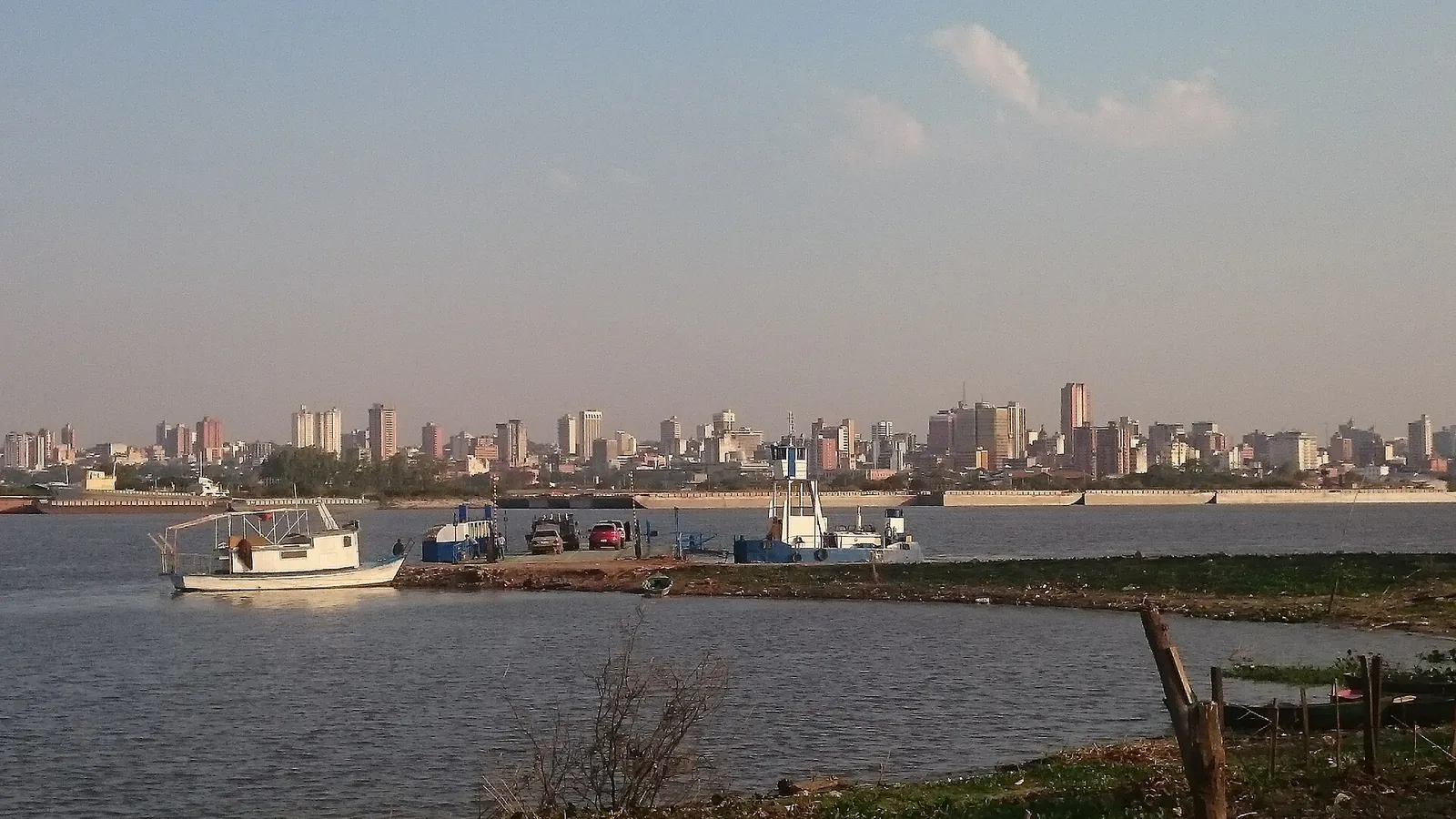
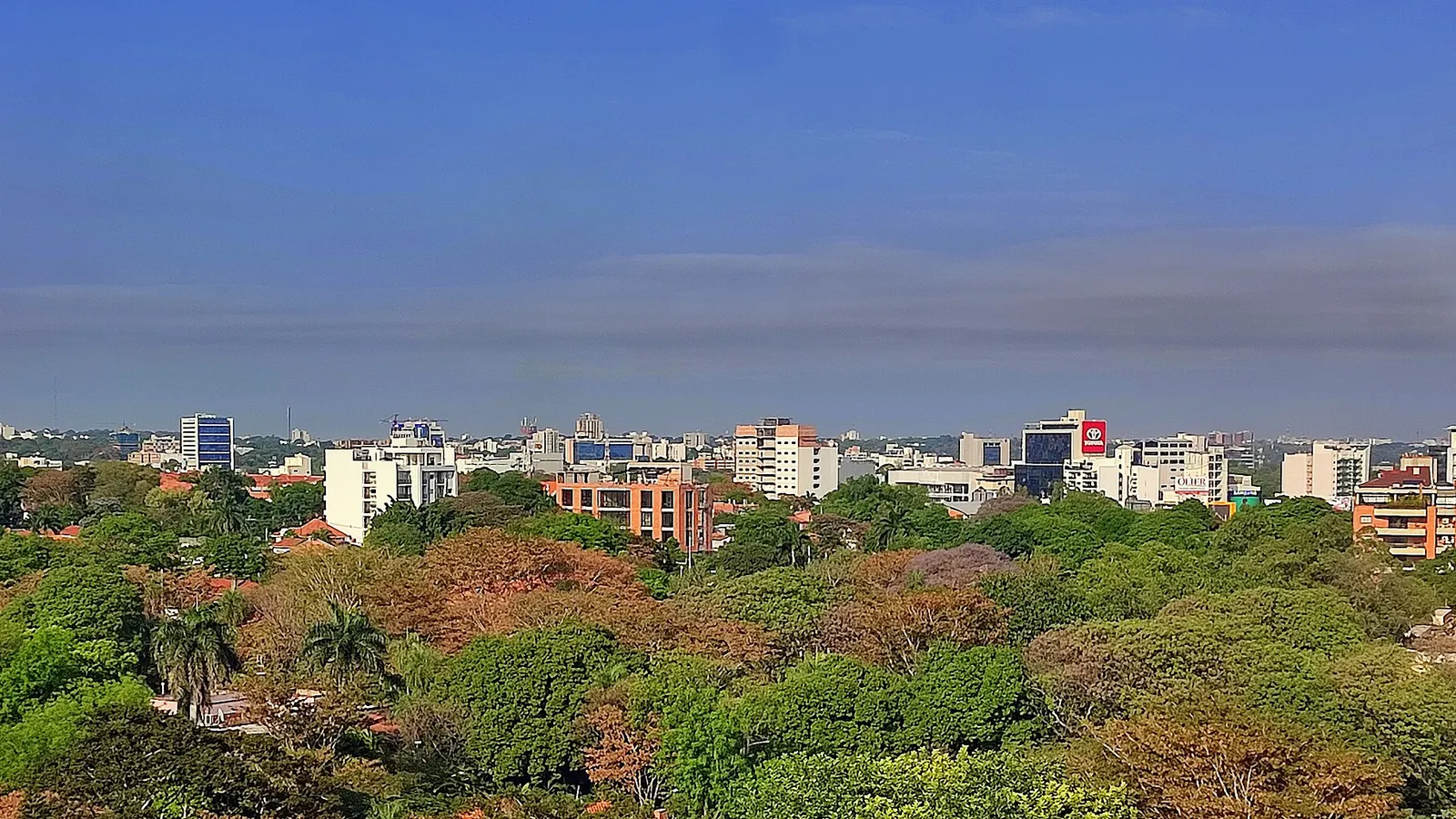
Asunción is the capital of a country that reached investment grade with Moody’s in 2024 and S&P in 2025 — a genuine macroeconomic signal, and one reason regional and international attention on Paraguayan property has grown. The city sits at a comparatively early stage of urban development relative to peers like Montevideo or Buenos Aires: prices per square metre remain well below those markets, even as new towers rise in growth corridors such as Las Lomas.
That combination — a stable, improving macro backdrop and a still-low price base — is the core of the investment case market commentators make for Asunción. It is also, worth saying plainly, not a promise that prices or rents will keep rising at any particular pace. Property markets move in cycles everywhere, and Paraguay’s is younger and thinner than the ones most Western investors are used to reading.
What USD 200,000 buys: price per square metre
Pricing varies meaningfully by building age, finish and location. The ranges below are compiled from current listings and third-party market reports — not a government statistical office — and should be read as an order of magnitude, confirmed against the specific unit under consideration, not as a fixed schedule.
| Segment | Typical price per m² (indicative) |
|---|---|
| Older, economy-class buildings | ~USD 700–1,000 |
| New-build economy to mid-range | ~USD 900–1,800 |
| Business-class developments in growth corridors (e.g. Las Lomas) | ~USD 1,800–2,400 |
At the mid-range to upper end of that spectrum, a USD 200,000 budget generally buys somewhere between roughly 80 and 130 square metres in a well-located building — a meaningfully larger footprint than the same capital would secure in most comparable Latin American capitals, though the exact figure depends entirely on segment and address.
Rental yields: long-term vs short-term
The two rental strategies produce different — and differently risky — return profiles.
| Rental type | Reported gross yield (indicative) | Notes |
|---|---|---|
| Long-term, unfurnished lease | ~6–9% annually | The more common, lower-management strategy; tenants typically sign 1–2 year contracts |
| Furnished / short-term (Airbnb-style), high-demand areas | Often reported higher, into the low double digits gross | Higher turnover, higher management overhead, more seasonal — demand concentrates around the July–August tourist season |
Two things matter more than the headline number. First, these are gross figures reported by market participants and portals, not audited net returns — property tax, association or maintenance fees, management commissions, vacancy periods, and (for short-term lets) cleaning and turnover costs all sit between the gross figure and what actually reaches an owner. Second, short-term yields carry materially more variance: occupancy swings with season and tourism flows in a way long-term leases do not.
Neither figure is a projection we make on your behalf. They are a starting point for underwriting a specific property against its own numbers — asking price, realistic achievable rent, and true operating costs — not a substitute for that work.
What’s driving the numbers, and what could change them
A few forces sit behind the current market:
- Urban growth corridors. Districts like Las Lomas have seen a wave of new residential and mixed-use towers aimed at the executive rental market, which is part of why business-class pricing there sits at the top of the range above.
- A young, urbanising population. Steady internal migration into Asunción supports underlying rental demand, particularly for well-located, mid-market units.
- New supply is a genuine variable. Several of the same growth corridors driving interest are also where the most new units are being delivered at once — a wave of completions landing in a short window can put downward pressure on achievable rents and lengthen vacancy periods until demand catches up. This cuts against, not for, treating today’s yield figures as fixed.
- Pricing is commonly USD-denominated, which reduces (though does not eliminate) currency exposure on the capital value of the asset itself; rental income and local operating costs, however, are typically handled in guaraní, so currency movement still touches the income side of the equation.
Yield is not a promise: the risks worth weighing
A law firm’s job here is to be plain about what a rental-yield figure is and is not:
- It is a market observation, not a forecast. Historical or currently reported yields do not bind future performance.
- Real estate is illiquid. Unlike the financial instruments route, a property cannot be sold in days if circumstances change — exit timing depends on the local buyer market.
- Remote management is a real cost, not a footnote. Owners based outside Paraguay generally need a reliable local manager or agent; that relationship, and its fee, should be underwritten before purchase, not after.
- Market data here is thinner than in mature economies. Paraguay does not yet have the depth of centralised, audited property-price indices that investors may expect from larger markets — the ranges in this article come from current listings and market commentary, which is a reasonable starting point for orientation, but not a substitute for due diligence on the specific unit.
How yield connects to the residency requirement
The real estate residency route is not purely a passive-investment product — under Resolution N° 0283/2026, the qualifying property must be destined to economic activity, which in practice excludes purely personal or family-use housing. An income-generating unit is exactly what the route requires, which is one reason the yield question above is not academic: the property funding your Investor Pass application needs to be the kind of asset this article is describing, not a private residence.
That requirement is also why title diligence, zoning confirmation, and realistic rent underwriting are part of how a qualifying purchase is structured from the outset, rather than an afterthought once the file is submitted.
Budgeting beyond the purchase price
The USD 200,000 qualifying investment is the largest line item, but it is not the only cost in the process. Government fees payable to Paraguay’s Dirección Nacional de Migraciones, translation and apostille costs for foreign-issued documents, and legal fees for structuring and filing the application all sit on top of the property price itself. The full residency cost breakdown itemises each of these layers, route by route, so the property purchase price and the total cost of the Investor Pass process are never confused with one another.
FAQ
What rental yield can I realistically expect from an Asunción property? Current market reporting points to roughly 6–9% gross annually for long-term unfurnished leases, with furnished short-term units in high-demand areas sometimes reporting higher gross figures. These are market observations, not projections or guarantees for any specific property.
Is USD 200,000 enough to buy a qualifying property in a good area? Generally, yes — depending on segment and location, that budget typically secures somewhere in the region of 80–130 square metres in a well-located Asunción building, though pricing should always be confirmed against the specific unit.
Does the property have to generate rental income to qualify for the Investor Pass? Yes. Under Resolution N° 0283/2026, the real estate route requires the property be destined to economic activity — purely personal or family-use housing does not qualify.
Are the yield figures in this article gross or net? Gross. None of the ranges cited account for property tax, management fees, maintenance, or vacancy — all of which reduce the figure an owner actually nets, and all of which should be underwritten against the specific property before purchase.
Is Asunción real estate a safe long-term investment? No property market anywhere is risk-free, and we do not make return projections. Asunción’s case rests on a comparatively low price base and an improving macro backdrop — Paraguay reached investment grade with Moody’s (2024) and S&P (2025) — set against real risks including illiquidity, thinner market data than mature economies, and new supply in some growth corridors.
Can I manage the property remotely once I hold residency elsewhere? Most non-resident owners work with a local property manager or agent for leasing, maintenance and tenant relations. That arrangement, and its cost, is worth confirming before purchase, not after.
Weighing a property purchase against the real estate residency route, or want the full picture on cost before you commit capital? Get in touch and we’ll walk through sourcing, diligence, and whether this route fits your goals.